
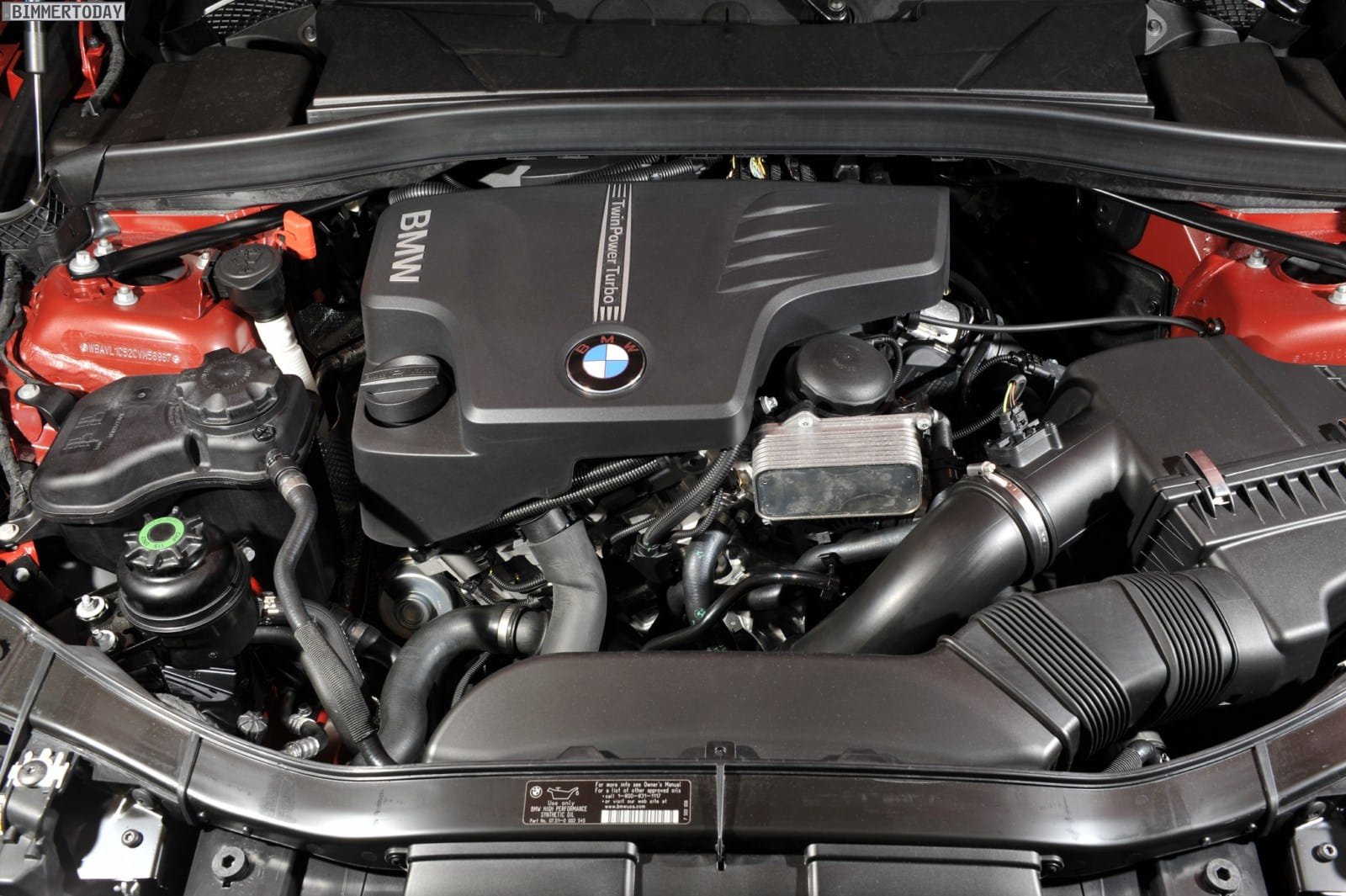
When it comes to BMW engines, the inline six mills tend to grab headlines. But the four-cylinder has a long-running and important role in the brand’s history. After all, the legendary 02 Series was largely the sporting success it was due to its lower curb weight and perky four-pot engines. That was clearest, of course, with the legendary 2002 turbo. Later, the E30 M3 and its rev-happy S14 engine showed the six-pots of the day what was really possible with “just” four cylinders. As six-cylinder engines slowly creeped to the top of BMW’s lineup — reserved for the highest-trim and highest-performing models — BMW’s four-cylinder engines eventually became the brand’s real workhorse, appearing in everything from two-doors to sports cars and full-size SUVs.
Of course, the transition didn’t happen overnight. As the last N52-powered cars cemented a performance and reliability legacyBMW began debuting a new turbocharged four-cylinder. This engine, dubbed the N20, was polarizing in time. Primarily because it was a departure from the known quantity that was the inline-six. The engine also suffered early on from faulty timing chain guides, a flaw which followed the engine for the rest of its production run. A bit sad, considering a tweaked design more or less eliminated the problem in cars post-2015. Perhaps that’s an explanation for the engine’s short life: it only appeared in BMWs between 2011 and 2017. Regardless, plenty of rather excellent BMWs cropped up in those two short years, and they all had one thing in common: the N20 engine.
BMW F30 328i
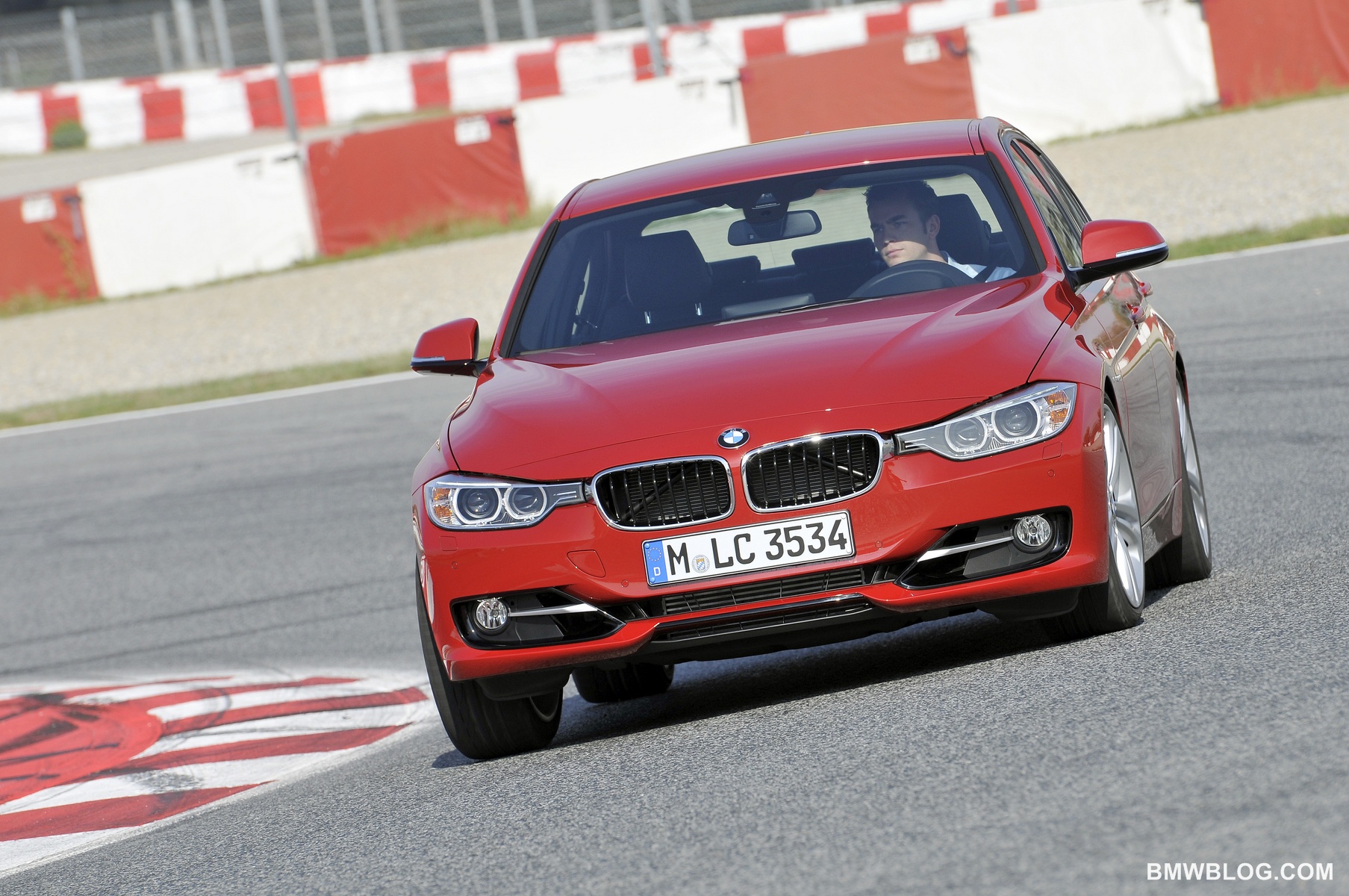
The F30 328i was arguably the car that defined the N20 engine. When BMW launched the sixth-generation 3 Series for the 2012 model year, the turbocharged four-cylinder replaced the beloved naturally aspirated inline-six in the volume model. With 240 horsepower and a broad torque curve delivering 255 pound-feet from just 1,250 rpm, the F30 328i felt quicker in everyday driving than its predecessor. It didn’t hurt that a pair of excellent transmission choices coexisted with the N20. Paired with either a six-speed manual or the excellent ZF eight-speed automatic, it offered smooth acceleration and impressive fuel economy for a compact sport sedan. The F30 chassis leaned more toward comfort than earlier 3 Series generations, but the 328i still retained the balanced rear-wheel-drive dynamics BMW was known for. In many ways, it perfectly encapsulated BMW’s transition into the turbocharged era, combining modern efficiency with the accessible performance that made the 3 Series the benchmark sports sedan. Bonus points if you opt for the wagon variant!
BMW F10 528i
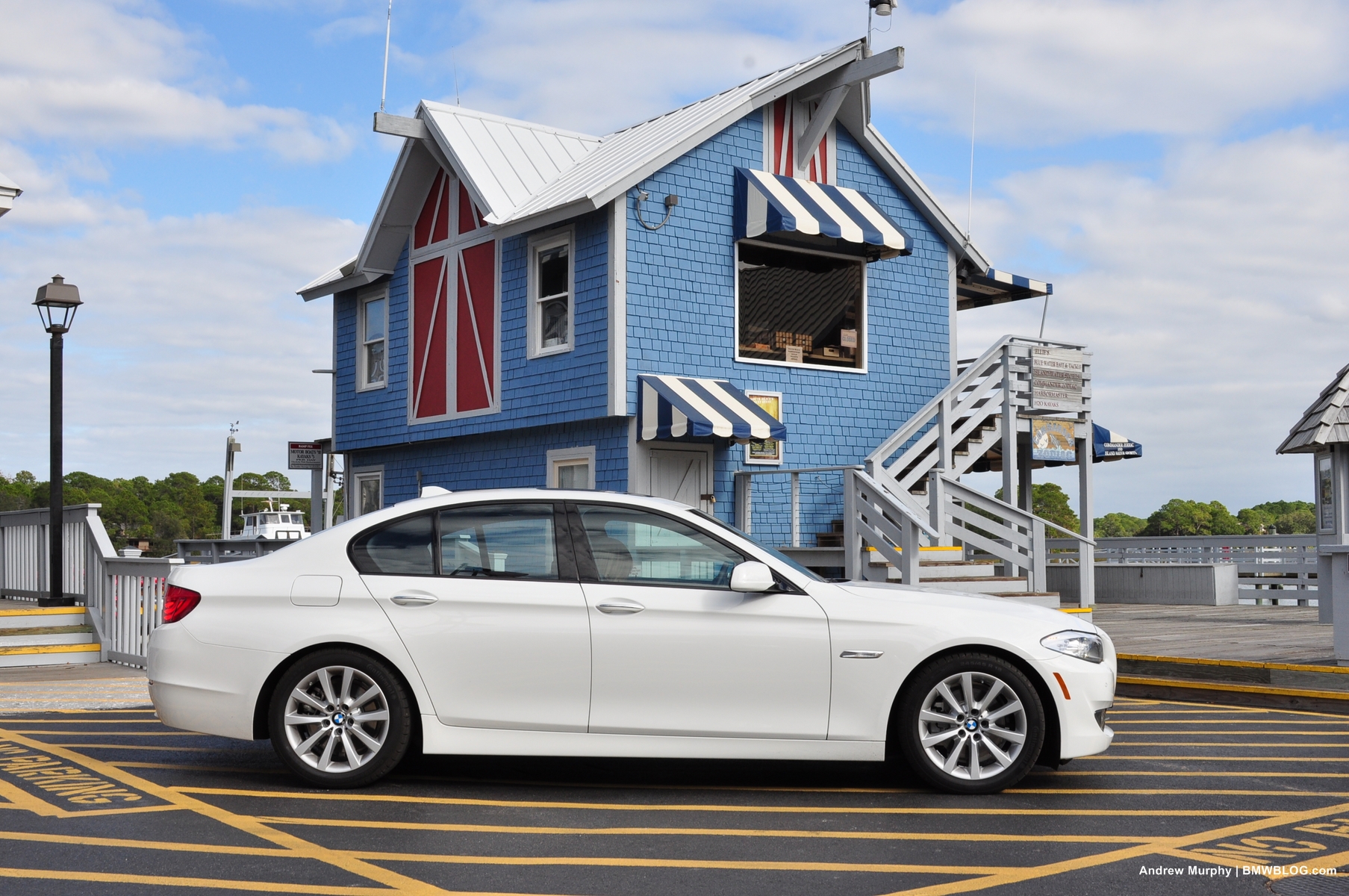
The F10 528i demonstrated how versatile the N20 engine could be. In a midsize luxury sedan like the 5 Series, the turbocharged four-cylinder replaced the naturally aspirated inline-six while maintaining respectable performance and significantly improving efficiency. With the same 240 horsepower and 260 torques, the 528i moved the large sedan with surprising authority. The torque-rich nature of the N20 suited the F10’s character well, delivering smooth, effortless acceleration. No easy feat, considering the F10 weighed a few hundred pounds more than the smaller 328i. Paired exclusively with the ZF eight-speed automatic in most markets, the drivetrain felt refined and well matched to the 5 Series’ luxury focus. It became one of the most popular configurations of the F10 generation. More importantly, it proved that a well-engineered turbo four could comfortably power a premium midsize sedan.
BMW F22 228i
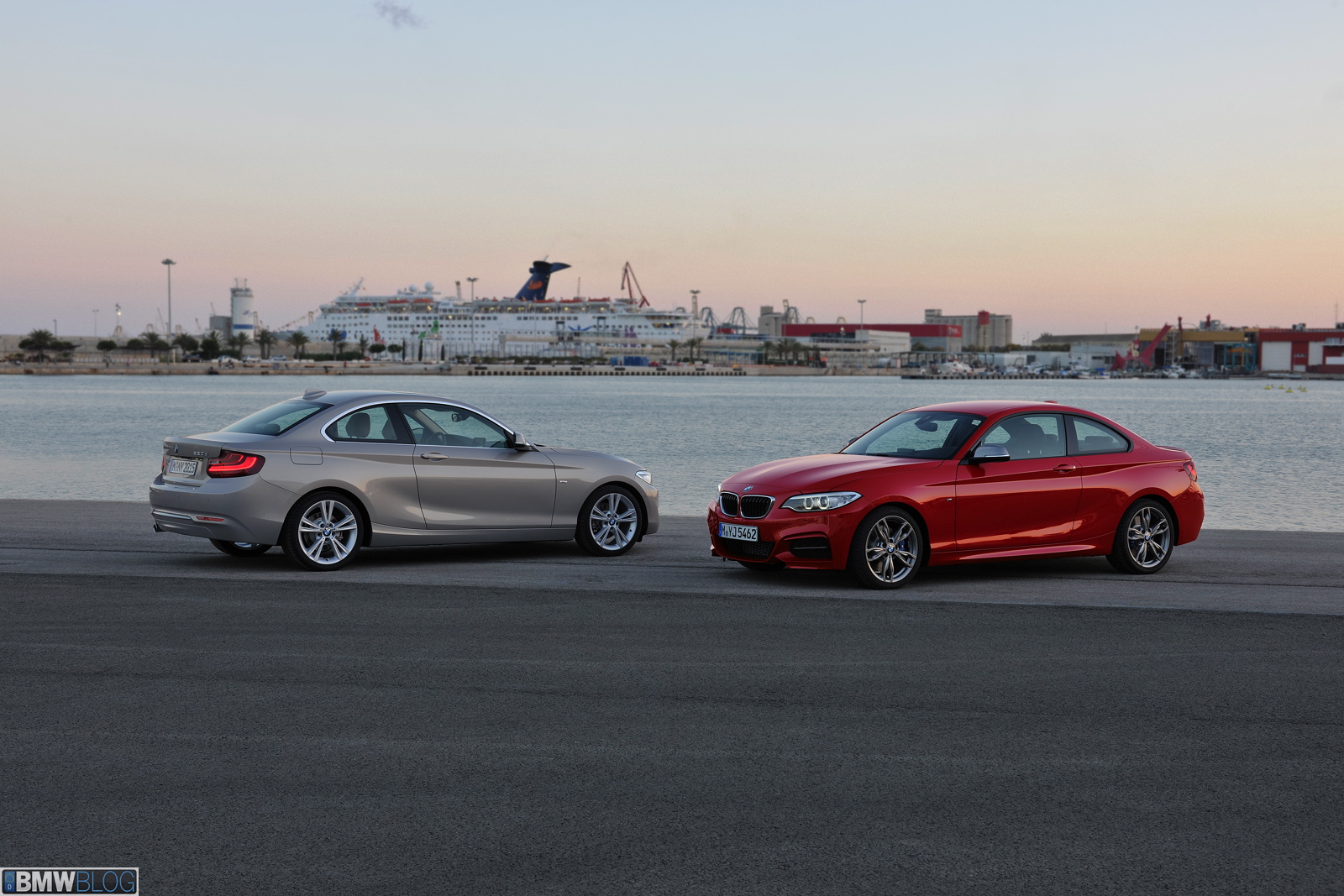
The F22 228i is one of the most enthusiast-friendly cars to use the N20 engine. As the entry-level version of BMW’s compact two-door coupe introduced in 2014, the 228i combined a lightweight chassis with the turbocharged four-cylinder to create a genuinely fun driver’s car. The 240 horsepower and 255 pound-feet of torque meant performance was lively. Especially considering the car’s other virtues: the lowest curb weight of an N20-powered car (around 3,300 pounds) and 50:50 weight distribution. A 0–60 mph time in the mid-five-second range put it firmly in true sports coupe territory. Buyers could choose between a six-speed manual and the excellent eight-speed automatic, and rear-wheel drive remained the default configuration. The excellent F22 platform does a lot of the heavy lifting here, channeling cars like the 1 Series Coupe before it. But the N20 never feels like a letdown — especially if you haven’t had seat time with the rowdy six-cylinder versions. And even then, the 228i’s lower curb weight, lower limits, and affordable ownership experience make it a truly accessible choice. In some cases, even superior to the M235i and M240i.
BMW F15 X5 xDrive40e
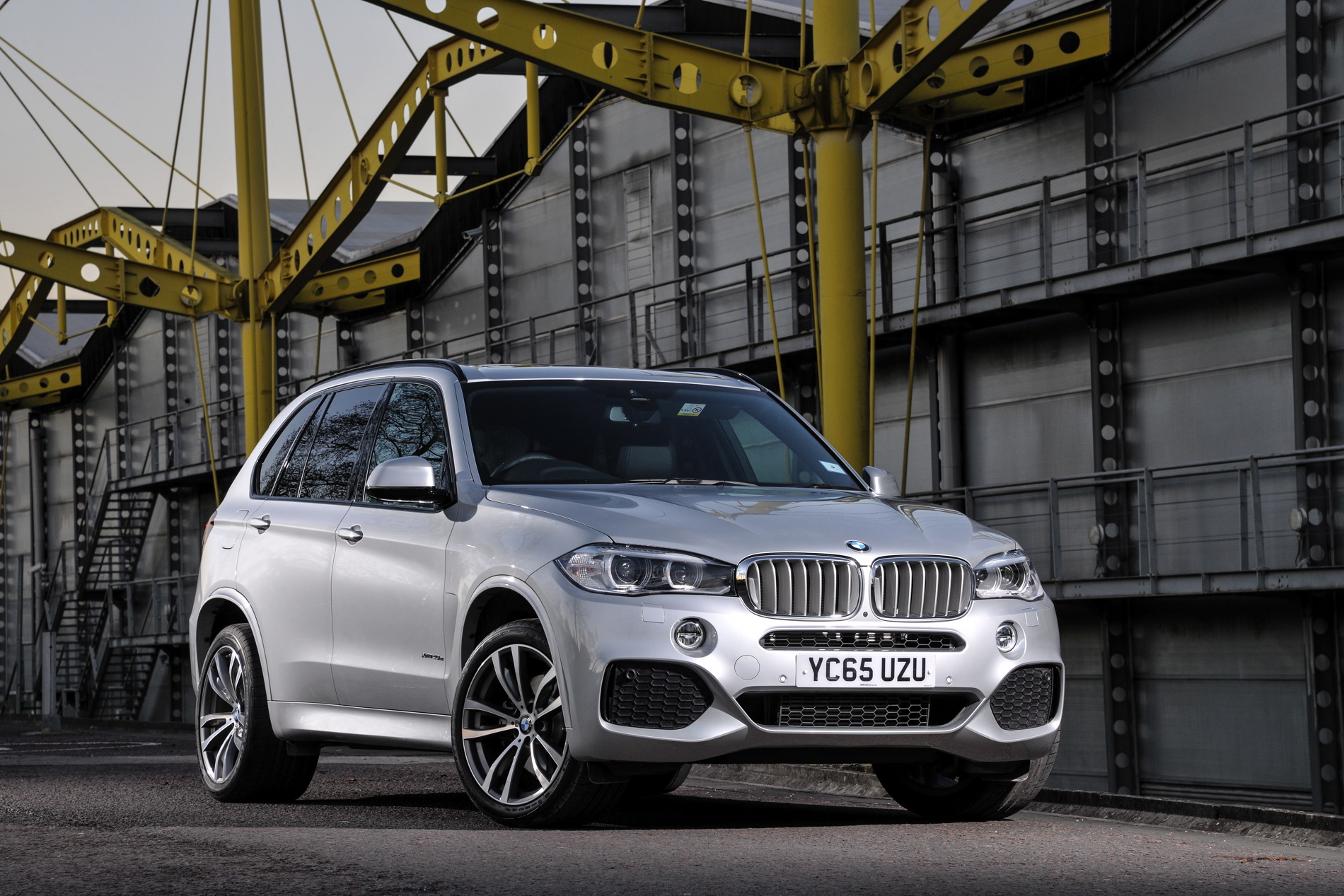
The 2 Series demonstrated the N20’s prowess in an agile, small chassis. Meanwhile, BMW brought the N20 to the X5 for its most technologically interesting application. Introduced as BMW’s first plug-in hybrid SUV, the xDrive40e paired the familiar turbocharged four-cylinder with an electric motor integrated into the eight-speed automatic transmission. Together, the system produced a combined 308 horsepower and 332 pound-feet of torque. The result was a midsize luxury SUV with strong acceleration and bouts of all-electric driving. A perfect combination for some buyers. The hybrid setup allowed the X5 to travel roughly 13–14 miles on electric power alone under ideal conditions, making it practical for short commutes without using gasoline. When the engine and motor worked together, the result was smooth, quiet performance that suited the X5’s luxury character. The N20’s compact size and efficiency made it an ideal foundation for BMW’s early plug-in hybrid strategy, and the xDrive40e helped pave the way for the electrified SUVs that now dominate the brand’s lineup.
BMW E89 Z4 sDrive28i
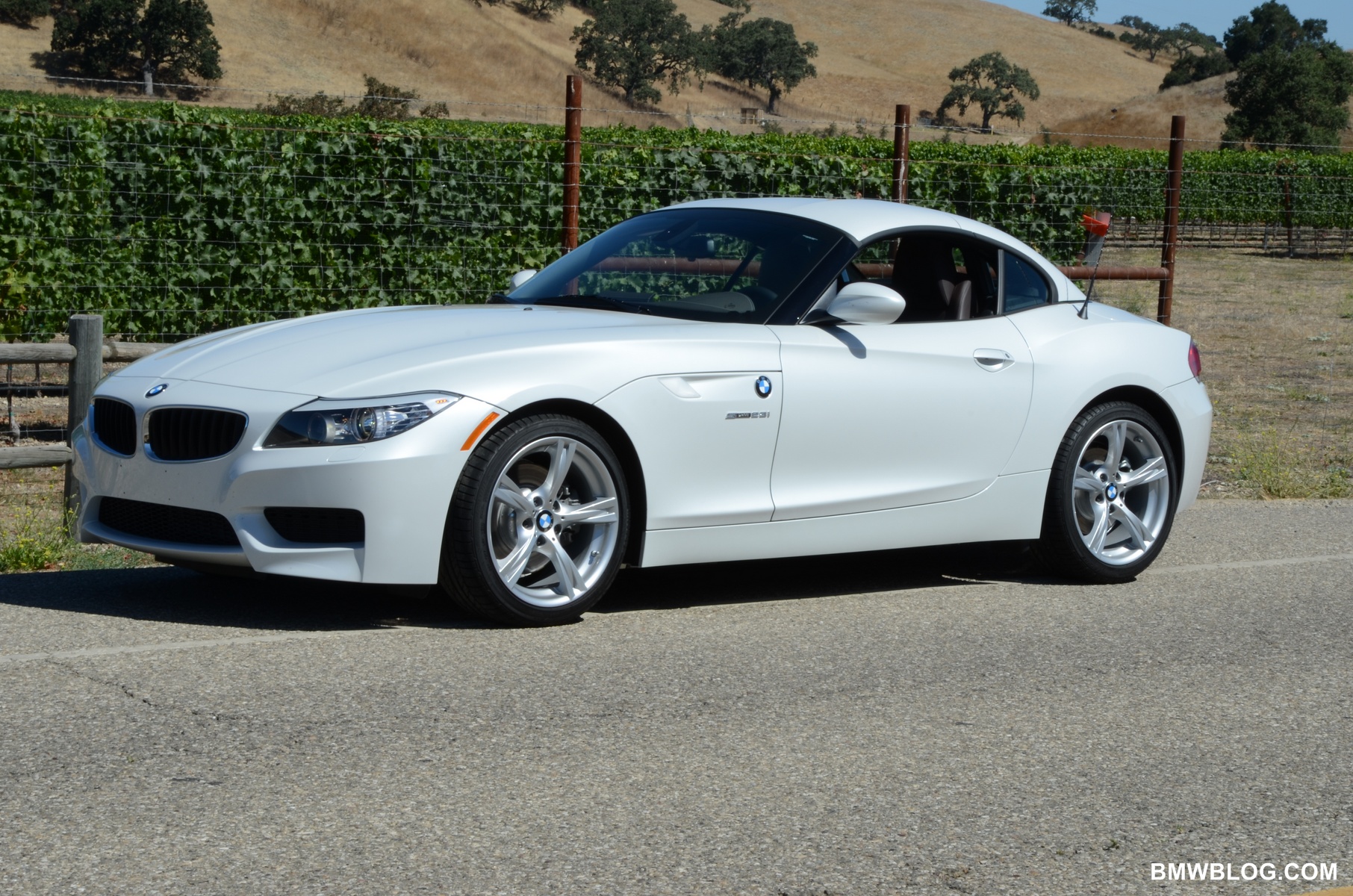
The E89 generation BMW Z4 sDrive28i proved that a roadster didn’t need six cylinders to be a proper BMW. With the N20, the Z4 gained a lighter engine over the nose with more power than the outgoing naturally-aspirated car. The new engine helped the Z4 sprint to 60 mph in roughly 5.5 seconds when equipped with the eight-speed automatic. A manual transmission was also available and delivered a supremely engaging driving experience. The power paired well with the Z4’s balanced rear-wheel-drive chassis and retractable hardtop, making it a compelling grand touring roadster. The lighter engine subtly improved front-end agility, too. Is it a better car, overall, than the F22? Perhaps not, but it’s very good in its own right and definitely looks the part. And for that, it tops our list as the best N20-powered BMW.
There’s no doubt about it: the N20 will likely remain one of BMW’s most underappreciated mills. And it’s not entirely surprising; after all, many of the cars on this very list later received the more modern B48 engine. That’s to say nothing of the N55- and B58-powered alternatives that offer a lot more power to enthusiasts. Regardless, these N20-powered cars today represent an opportunity to own an excellent car without paying any B-series engine tax. And for that, we love them.
