


Article Summary
- BMW only built around 450 M1 road cars, but the engine inside them ended up in four different production models
- The E28 M5 used the same M88/3 as the M635CSi — hand-assembled in Garching, and widely considered the fastest production sedan in the world at launch
- The most obscure M88 application wasn’t an M car at all: a South African 7 Series that most of the world never knew existed
BMW built the M1 for one reason: to go racing. The regulations required a road-going version, so BMW built one — a mid-engine supercar developed with Lamborghini, clothed in a body by Giugiaroand powered by a twin-cam inline-six that had no business being in anything other than a race car. Around 450 road cars were made between 1978 and 1981. Then production stopped, and that was that.
Except the engine didn’t disappear with it.
Meet The Heart of A Supercar
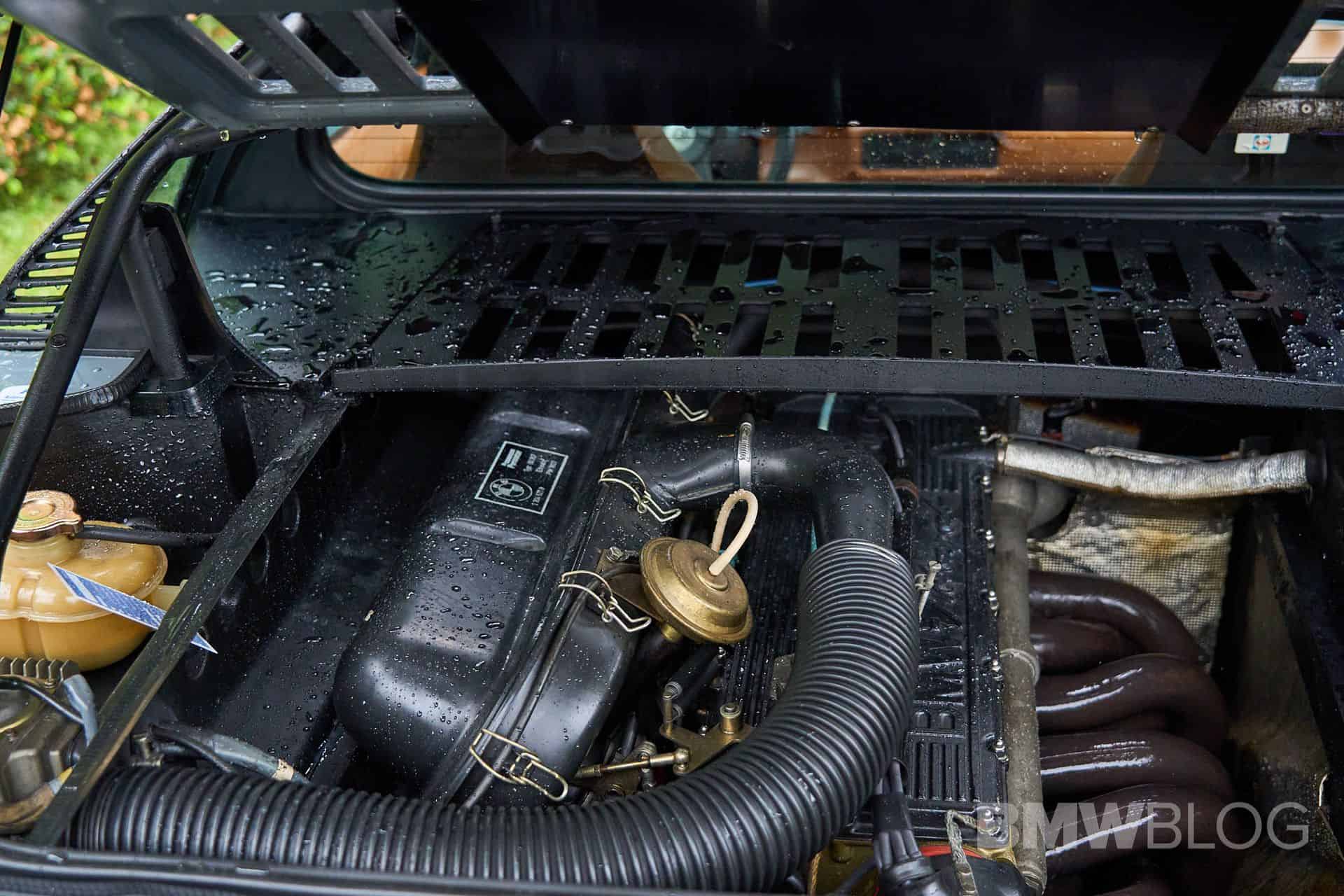
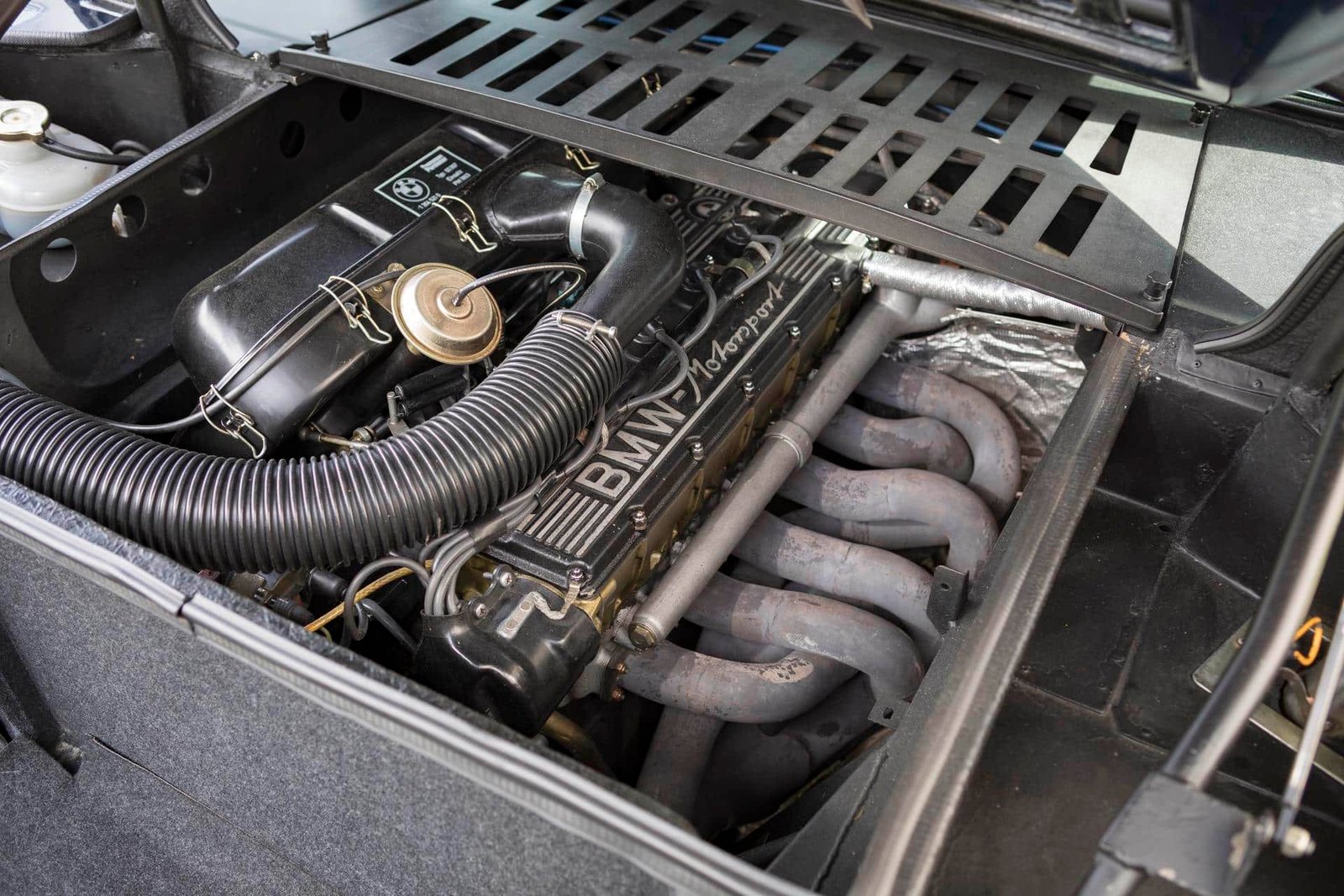
That engine — the M88 — was a 3,453cc straight-six with individual throttle bodies, a 9.0:1 compression ratio, and a character that rewarded anyone willing to push it past 5,000 rpm. In road trim it made 277 horsepower. In full race spec, it made considerably more — the turbocharged Group 5 version was said to produce north of 800 hp. BMW’s M division knew they had something special on their hands, and they weren’t about to let it gather dust on a shelf.
Over the following decade, the M88 and its closely related successor variant, the M88/3, found their way into four very different production BMWs. Three of them are famous. One most people have never heard of.
BMW M1 (E26, 1978–1981)
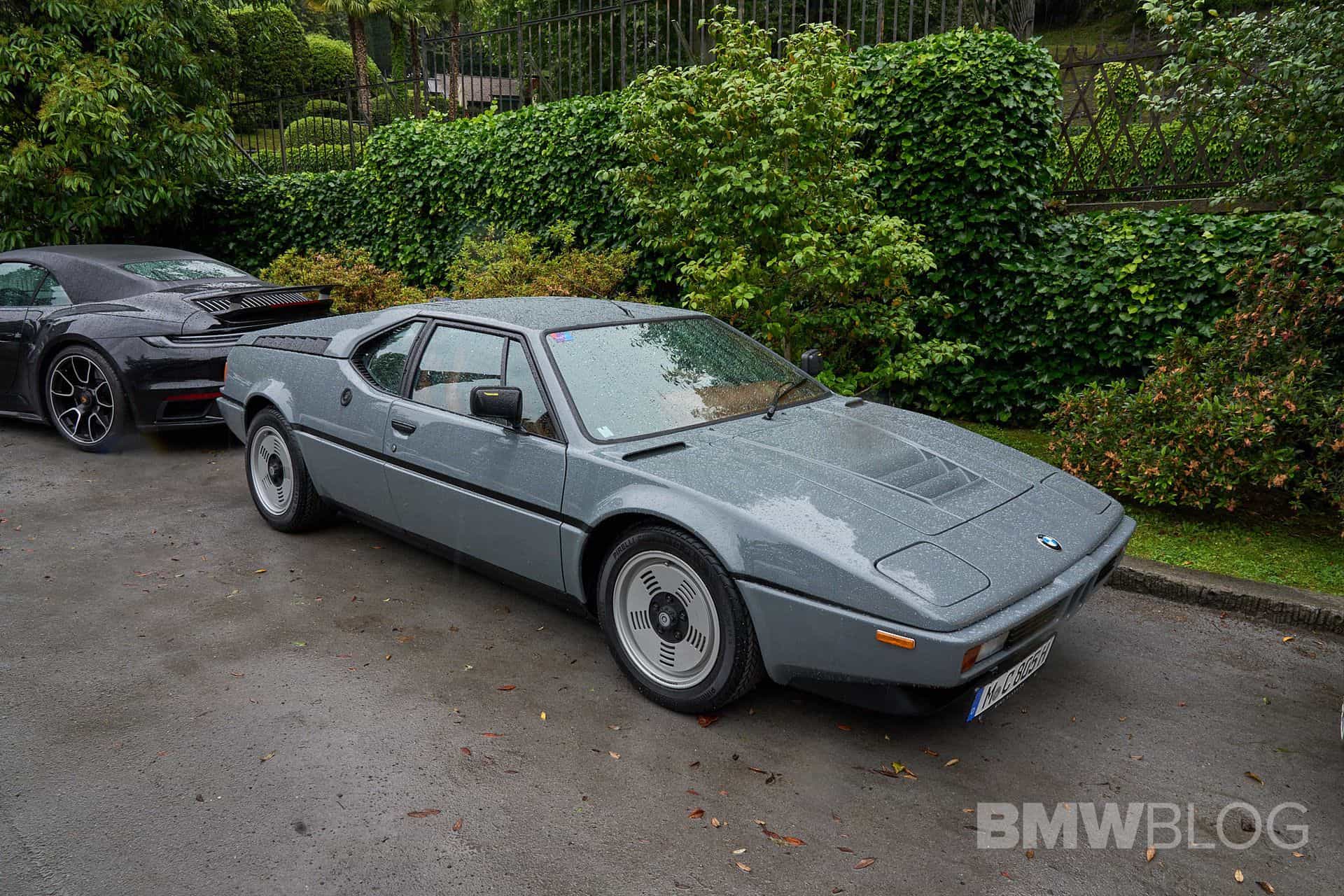
The M1 is where the M88 story begins. BMW had designed it as a Group 4 and Group 5 homologation car — to race it, they had to sell it — and the M88/1 was built to be a road-legal version of a competition engine. It revved to 6,500 rpm, used a Kugelfischer mechanical fuel injection system, and made the kind of power in 1978 that most sports cars couldn’t touch. The M1 would run to 100 km/h in around 5.5 seconds and on to a top speed of 260 km/h.
Production was troubled — Lamborghini was supposed to assemble the bodies but ran into financial difficulties, and the whole program was delayed — but the finished car was worth the wait. Today, M1s regularly command well over $200,000 at auction, and the engine that powered them is a large part of why.
BMW M635CSi (E24, 1983–1989)
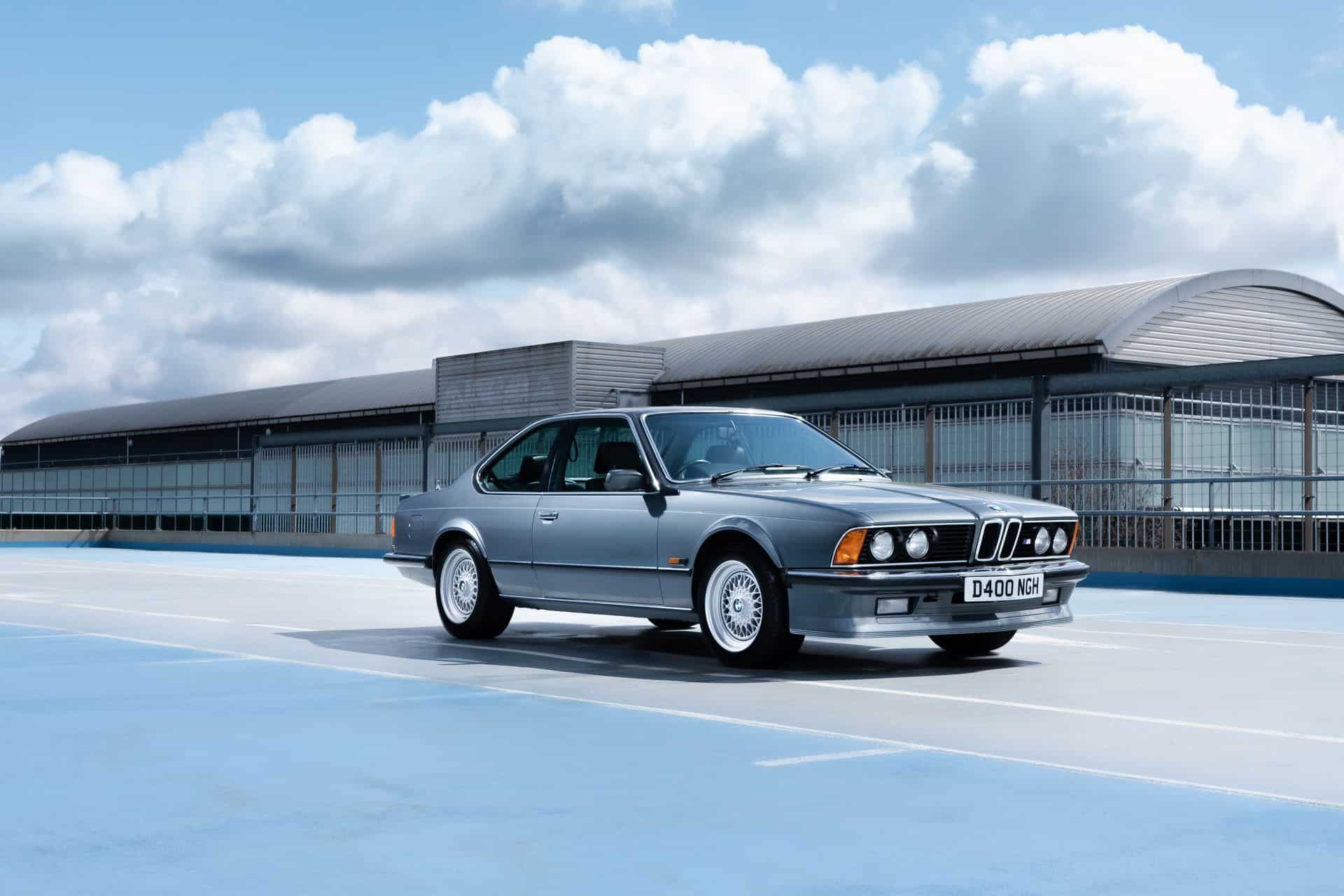
After the M1, the updated M88/3 — now producing 286 hp — went into the 6 Series coupe. On paper, the M635CSi didn’t look dramatically different from a standard 635CSi. In practice, it was a different machine: wider tracks, stiffer suspension, and that straight-six pulling hard all the way to the redline. BMW described it as a grand tourer, which was accurate, but undersold how entertaining it was to drive quickly.
It was also the car that brought the M88 to North America, though not in its original form. US-market cars wore the M6 badge and used the S38 — a closely related engine that met American emissions regulations. The M635CSi with the proper M88/3 remained a European affair, and it’s the better car for it.
BMW M5 (E28, 1984–1988)

This is the one that made the M88 famous. BMW took the 286 hp M88/3, bolted it into a standard-looking 5 Series sedan, handed it to a small team in Garching to assemble by hand, and produced what was, at its 1985 launch, widely regarded as the fastest production sedan on the planet.
The E28 M5 is a car that rewards a second look. From the outside, it’s almost indistinguishable from a regular 528i — slightly wider, subtle badges, that’s about it. Then you drive it. The M88/3 pulls cleanly from low revs and becomes something else entirely once you’re past 4,000 rpm, with a soundtrack that no modern M car has quite managed to replicate.
Only around 2,200 were built in total, split between European and North American specifications (the latter using the S38). Values have climbed sharply in recent years, and they show no sign of coming back down.
BMW 745i SA (E23, South Africa Only, mid-1980s)

Most BMW enthusiasts know the first three. This one catches people off guard.
The E23 7 Series 745i was sold globally as a turbocharged car — a 3.2-liter M102 engine with forced induction, producing around 252 hp. It was the range-topping 7 Series, BMW’s answer to the Mercedes 450SEL 6.9, and the turbo setup gave it the performance expected of a flagship. In most countries, that’s the only 745i that existed.
In South Africa, BMW went a different direction. Rather than certify and support the turbocharged M102 for the local market, they fitted the naturally aspirated M88/3 instead. South African buyers got a 745i SA with the same engine as the M635CSi — a legitimate M-spec straight-six in a full-size luxury sedan. It was never marketed as an M car, never badged as anything special, and today it’s one of the most obscure M88 applications in existence. Finding a clean one is nearly impossible.
What the M88 Left Behind

The M88 family was retired as the S38 took over — an evolution of the same architecture that went on to power the E34 M5 and later variants of the E28. But the M88 itself spans a remarkable range: a purpose-built supercar, a long-distance grand tourer, a factory-sleeper sedan, and a South African flagship that most of the world never knew about.
BMW M has made faster engines since. It has not made many that felt quite so deliberately built.

