
Article Summary
- The RWD M135i feels closest to BMW’s classic formula: compact size, straight-six power, and throttle-adjustable balance.
- The N55 delivers smooth, eager performance with a broad powerband and a redline that encourages you to use it.
- Factory setup uses an open diff with brake-based e-diff behavior; a mechanical M Performance LSD sharpens exits, but the stock car is already lively and willing to slide.
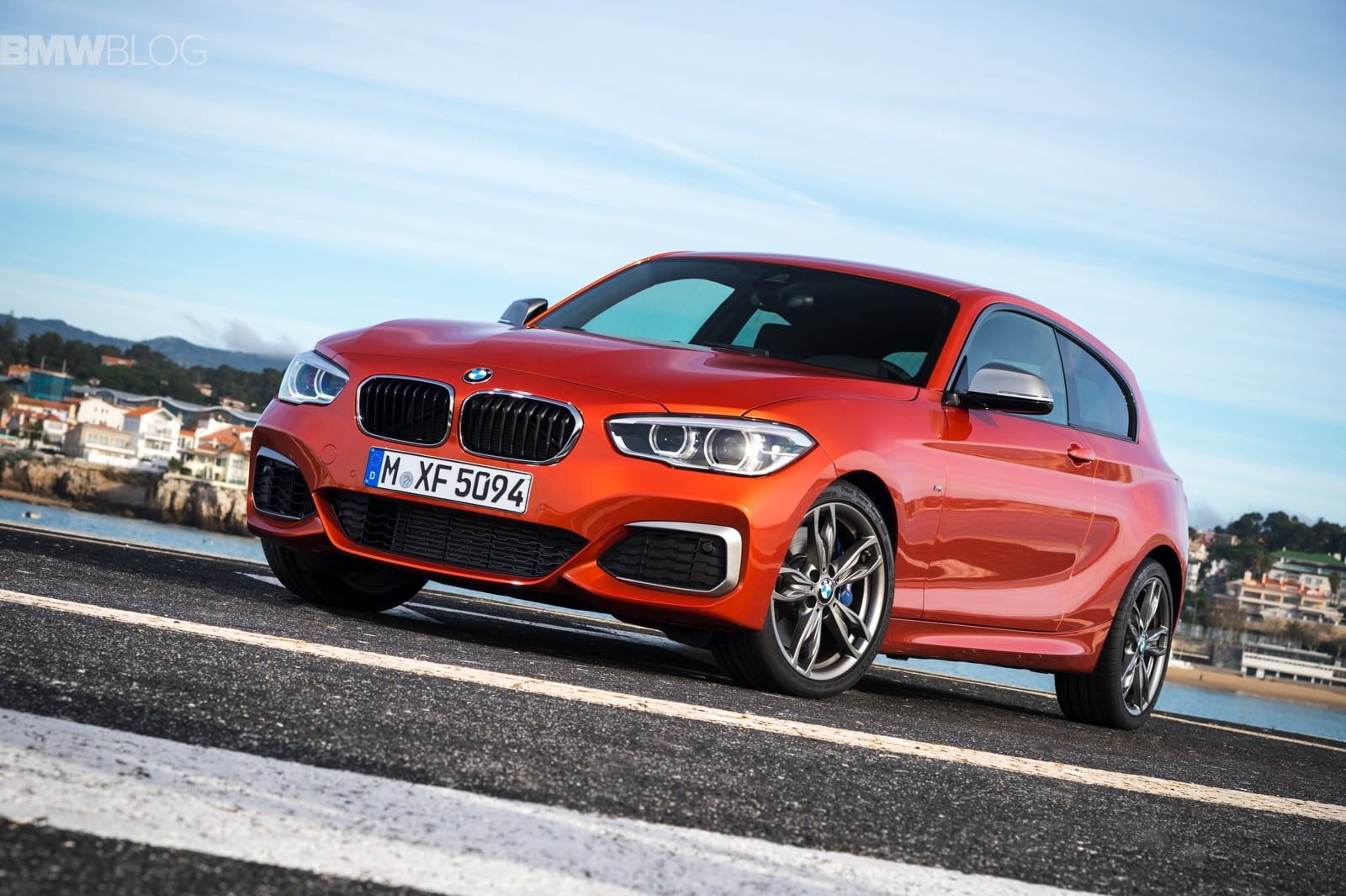
I get why the F20 BMW M135i slips through the cracks. It never got the full ///M mythology, it wasn’t sold everywhere, and on paper it looks like “just” an M Performance car from the early 2010s. But the first time you drive a rear-wheel-drive M135i the way you’re supposed to—really commit to an entry, breathe off the throttle, let the rear take a slip—you realize BMW maybe accidentally built something special.
Not special in the “future classic” way people toss around too easily. Special in the more meaningful way: it feels like a BMW from the era when the company still obsessed over balance and adjustability, not just traction and lap-time heroics.
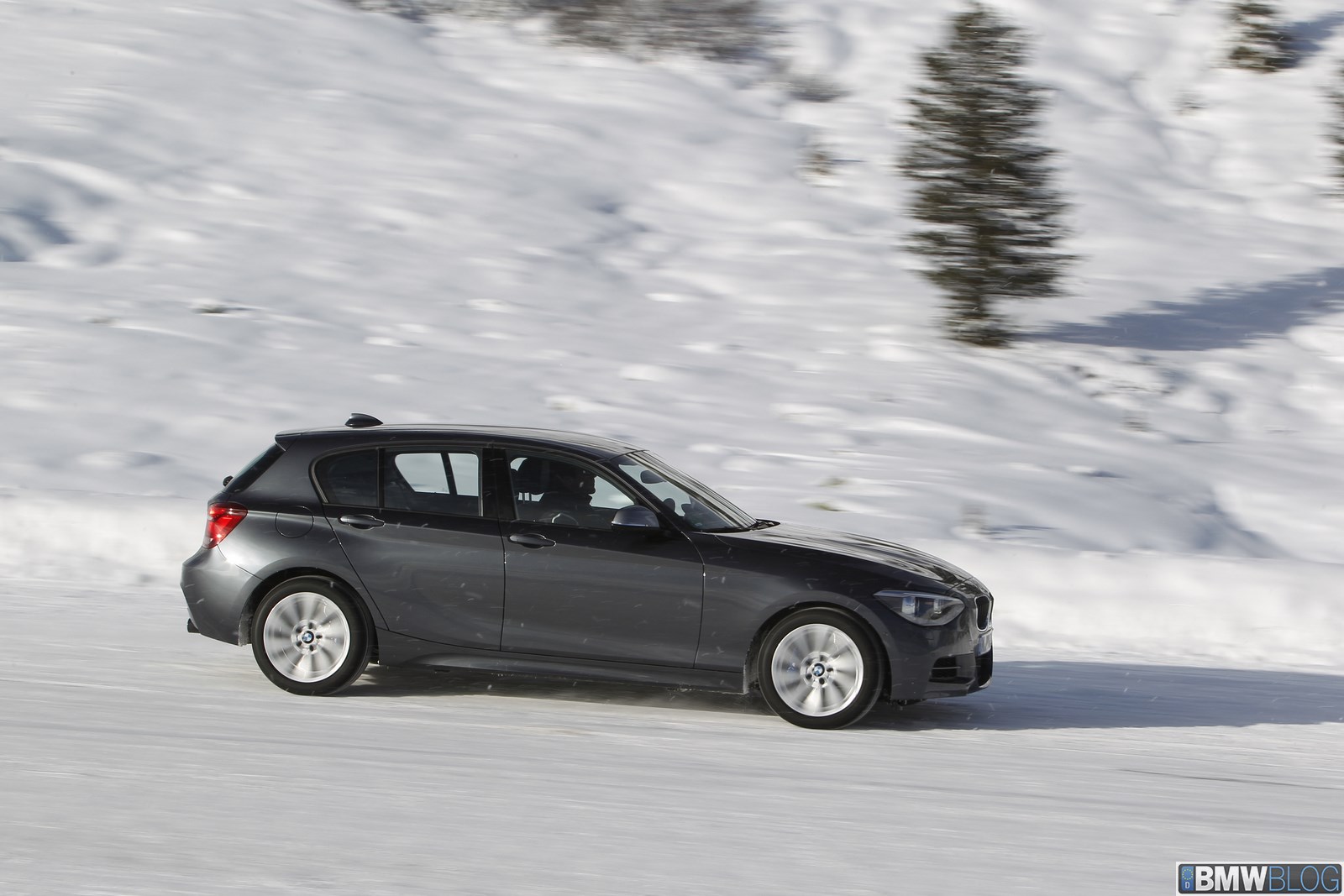
Yes, there was an xDrive version later onand I’m not going to pretend that isn’t appealing if you live somewhere winter is half the calendar. But the RWD M135i is the one that stays closest to the “Ultimate Driving Machine” idea. It’s the one where the front axle is allowed to focus on steering, and the rear axle is allowed to have a personality.
And it helps that the car looks right even before it moves. The F20 has that classic BMW stance: a long hood, short overhangs, and a cabin that sits back on the wheelbase like the engine actually matters. In hatchback form it’s an unusually cool shape—compact, usable, and still unmistakably BMW in its proportions. You get the practicality without losing the layout that makes a BMW feel like a BMW.
The numbers still land
The M135i isn’t a “big number” car by today’s standards, but the spec is still the kind that makes enthusiasts nod: 320 hp, 450 Nm (332 lb-ft) from the 3.0-liter N55 inline-sixpaired with either a six-speed manual or an eight-speed automatic. In period, BMW quoted 0–100 km/h in 5.1 seconds with the manual and 4.9 seconds with the automatic. That was properly quick when this car showed up—especially wrapped in a compact hatchback body.
Weight matters here more than people admit, and the M135i didn’t arrive bloated. Depending on how you measure it (DIN/EU figures), it sits around the 1,400-1,500 kg range. That doesn’t sound shocking until you drive it back-to-back with newer “hot” cars and realize how much lighter it feels in transitions. The M135i doesn’t have that modern sensation of carrying mass into every corner like a backpack you can’t take off.
The N55 is the reason the whole thing works
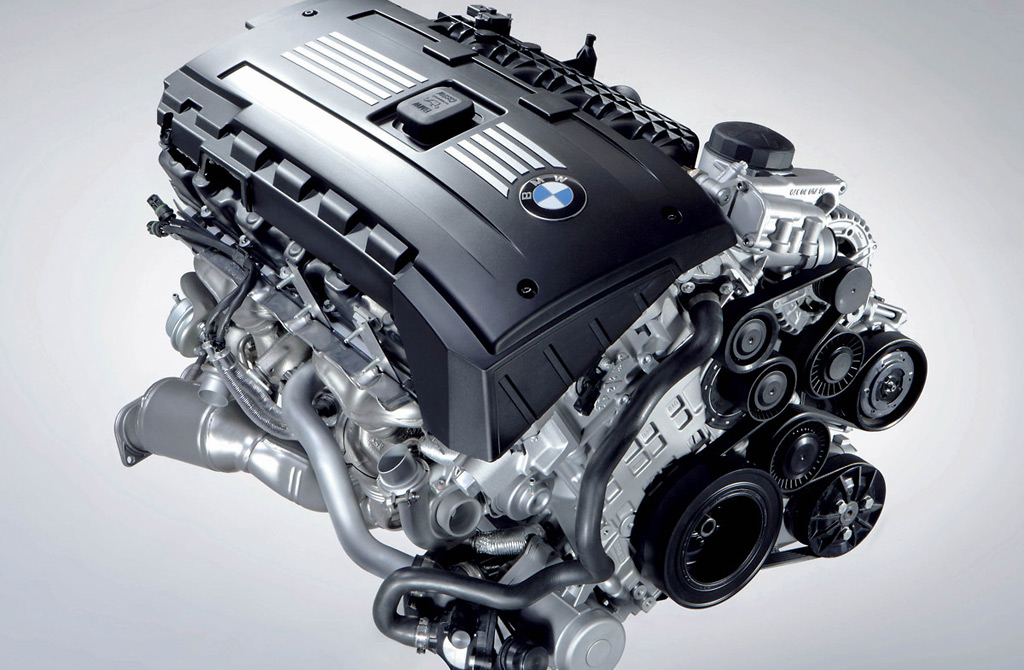
I’ve driven the N55 in a bunch of places—the 335i, 435i, and the M135i—and it’s one of those engines that keeps proving itself. It has torque everywhere, but it doesn’t feel like a torque-only appliance. It’s smooth, it’s eager, and it rewards you for using the top half of the tach.
The best part is how linear it feels for a turbo motor. The power doesn’t arrive like a light switch. You roll into the throttle and it just builds—cleanly, predictably, with enough urgency that you don’t need to “set it up” to make it fast. And when you keep it pinned, it doesn’t go flat. It stays happy all the way to the 7,000 rpm redline, which is exactly why people still rate this engine so highly.
Then there’s the sound. The N55 doesn’t need fake noise to have character. It has that straight-six metallic edge, especially when you’re hard on it, and it makes the M135i feel like it’s punching above its class.
Steering and chassis: it’s not a museum piece, it’s a tool

The M135i runs electric power steering, and no, it’s not going to give you E46-style hydraulic poetry. But it’s quick, accurate, and it lets you place the car without second-guessing. That’s what matters once you start driving it hard.
Where the M135i really shows its personality is the chassis balance. It doesn’t just grip and go. It moves. It reacts to weight transfer. It will rotate if you drive it like you mean it.
We spent time tossing one around on track and it clicked almost instantly. The car likes commitment. Turn in with some intent, settle it, and you can feel the rear axle getting light in a way that makes you smile instead of sweat. You can steer it on a lift. You can tighten a line with a touch of trail brake. And when you pick up throttle early, the M135i doesn’t always take the “safe” route—sometimes it will start to come around, and you can catch it and hold it. That’s the kind of fun a lot of modern cars are missing.
It’s tail happy, but not in a scary way. It’s the kind of tail happy that comes from a compact chassis, a real rear-drive layout, and enough power to adjust the car mid-corner without much effort.
The diff question, explained like an enthusiast

From the factory, the F20 M135i doesn’t get a mechanical limited-slip differential. It uses an open diff, and BMW relies on electronic intervention—brake-based torque control—to manage wheelspin and help the car put power down. People call it an “e-diff” effect, because the system can brake an inside wheel and influence where the torque ends up.
When you’re hard on throttle at corner exit, the electronics can create a moment where the car rotates more than you expect. Sometimes it feels like it’s helping you. Sometimes it feels like it’s nudging you into mischief.
A mechanical LSD does a similar job in principle—biasing torque and improving traction—but it does it more directly and more quickly, without relying on braking. That’s why BMW offered a dealer-installed M Performance mechanical LSD as an accessory for these cars. If you’re tracking the car, tuning it, or you just want cleaner exits and more consistent throttle adjustability, it’s one of the upgrades that makes immediate sense.
RWD vs xDrive: The point isn’t the spec, it’s the feel
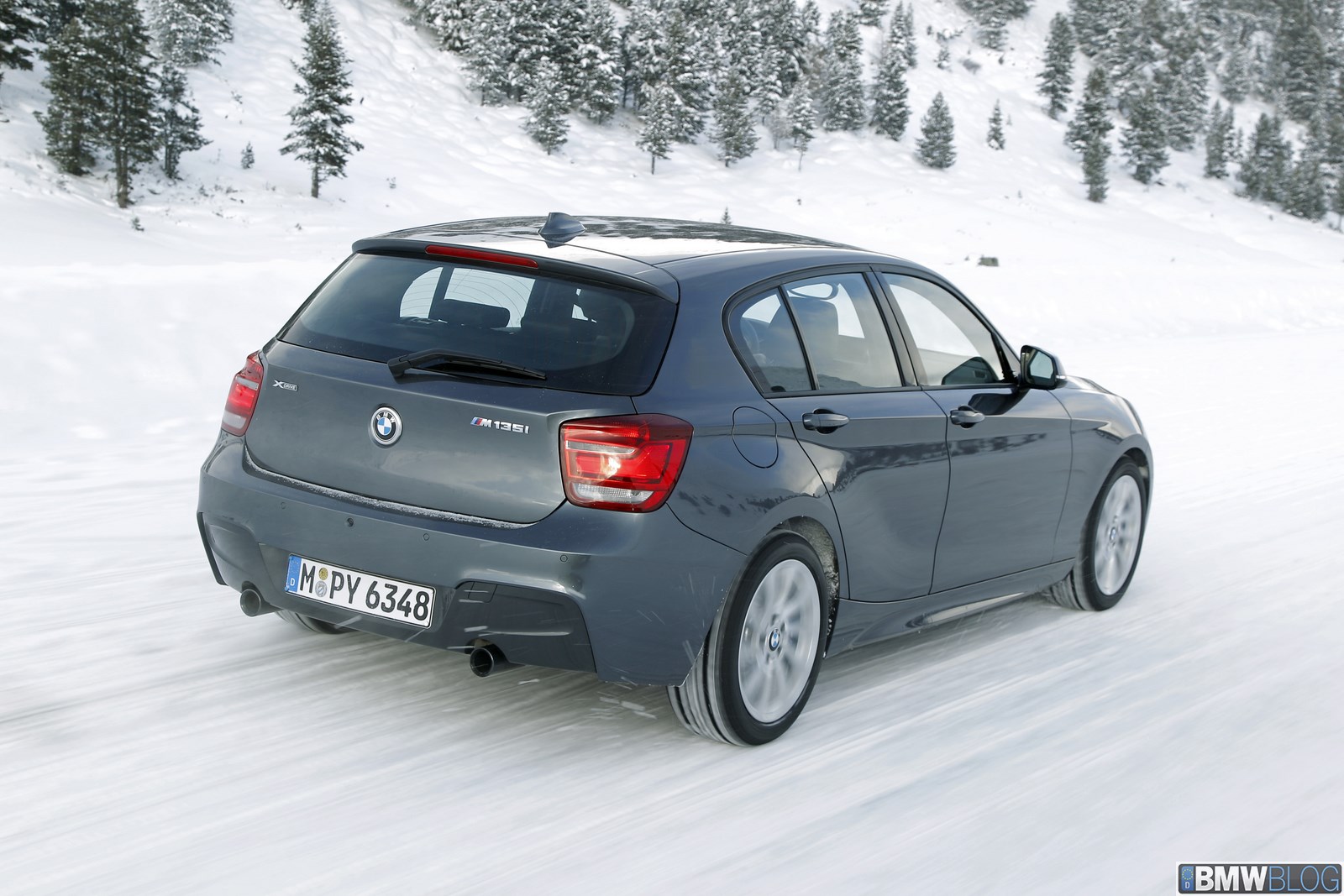
The xDrive M135i exists for a reason. If you deal with snow, ice, or rough weather half the year, it’s a smart option. But the RWD car is the one that feels most like a traditional BMW compact performance machine. It’s also the version that makes you understand what BMW was doing in that era: building a compact car that could do daily life without sacrificing the driving feel that made the brand famous.
Why it’s underrated
The M135i is underrated because it’s easy to mislabel. It’s not a halo car, so people don’t talk about it like one. It’s an M Performance car, so some enthusiasts assume it’s just an appearance and badge package. And for a lot of readers, it’s also a “forbidden fruit” BMW—one they didn’t get in their market (like in the U.S.), so it never became part of the shared ownership culture the way an E82 135i or 1M did.
If BMW had brought the RWD M135i to the U.S. in its prime, I’d have been first in line. Straight-six, manual option, compact hatch practicality, and a chassis that’ll happily rotate when you push it—this is exactly the sort of BMW that reminds you why we care in the first place.
